

Focus
-
The short-term effect of coffee husk biochar application in acidic soils on soil properties, root mycorrhization, pest, and disease management and yields in Robusta coffee and black pepper plantations in Gia Lai province, Vietnam
-
Liming effect on soil chemical and biological properties, pests and diseases, and crop yields in Robusta coffee and black pepper in Vietnam.
-
Liming effect on soil chemical and biological properties, pests and diseases, and crop yields in robusta coffee and black pepper in Vietnam
-
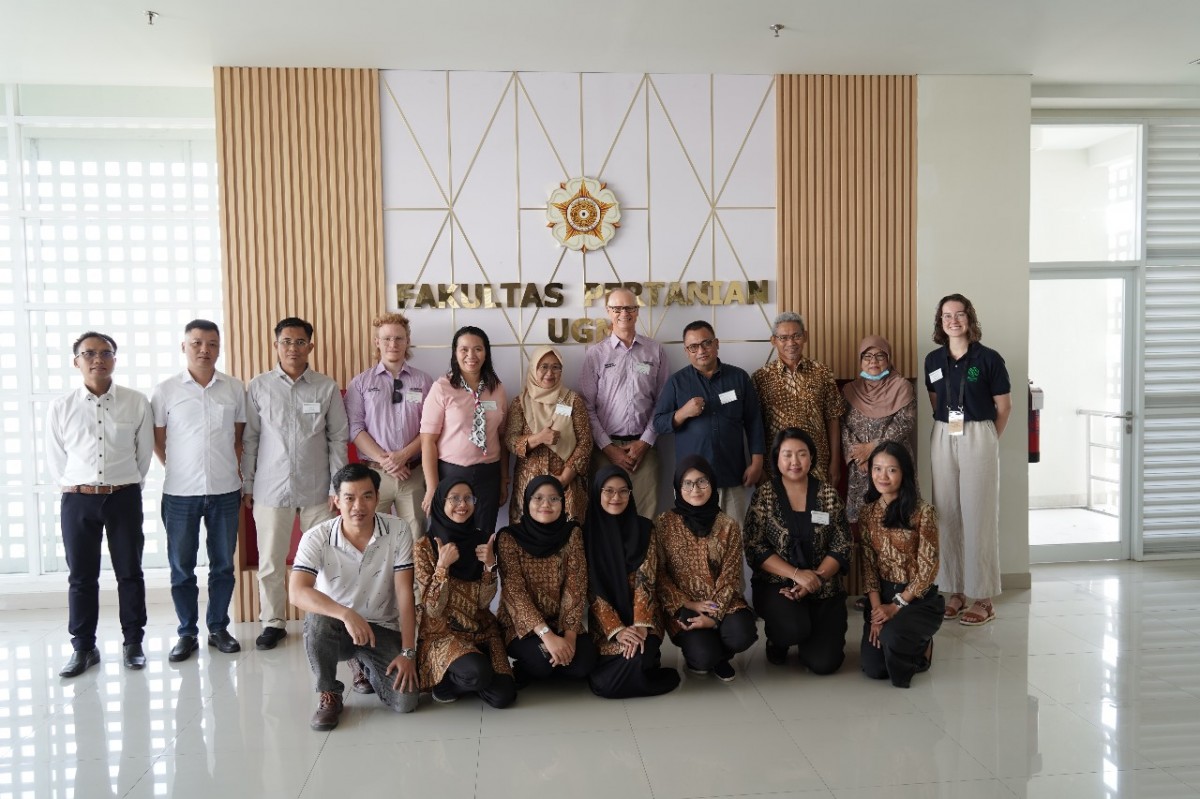
Faculty of Agriculture UGM Conducted Study on Nematodes with ACIAR Australia
-
Innovation and digitalization will shape future food systems in Europe and Central Asia
-
Transforming agriculture to combat climate change
-
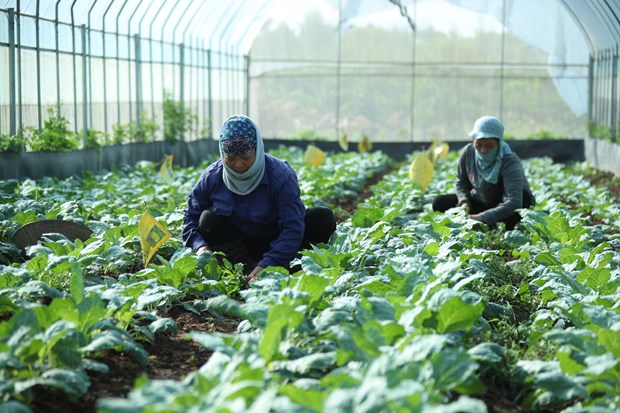 WHAT IS REGENERATIVE AGRICULTURE?
More and more farmers and ranchers are joining the conversation around regenerative agriculture as the best
-
The short-term effect of coffee husk biochar application in acidic soils on soil properties, root mycorrhization, pest, and disease management and yields in Robusta coffee and black pepper plantations in Gia Lai province, Vietnam
-
Liming effect on soil chemical and biological properties, pests and diseases, and crop yields in Robusta coffee and black pepper in Vietnam.
-
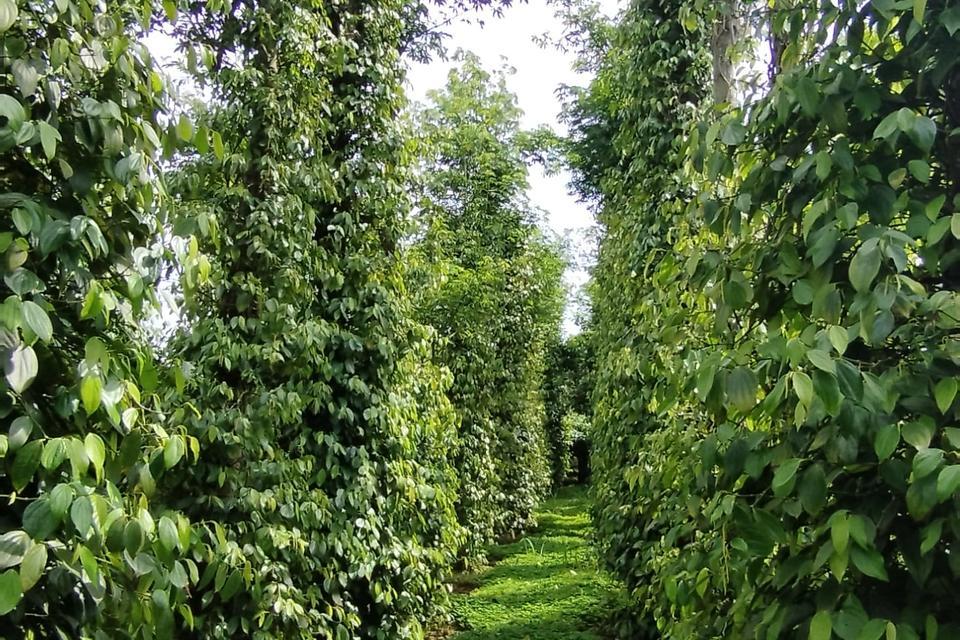
Liming effect on soil chemical and biological properties, pests and diseases, and crop yields in robusta coffee and black pepper in Vietnam
-
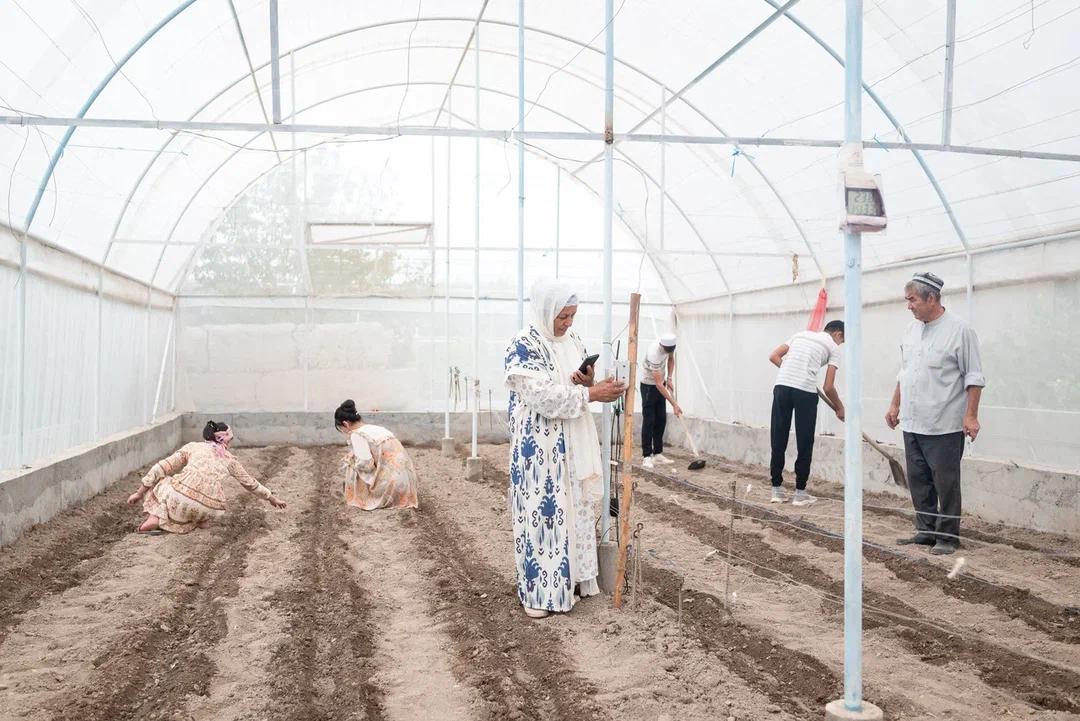
Innovation and digitalization will shape future food systems in Europe and Central Asia
-
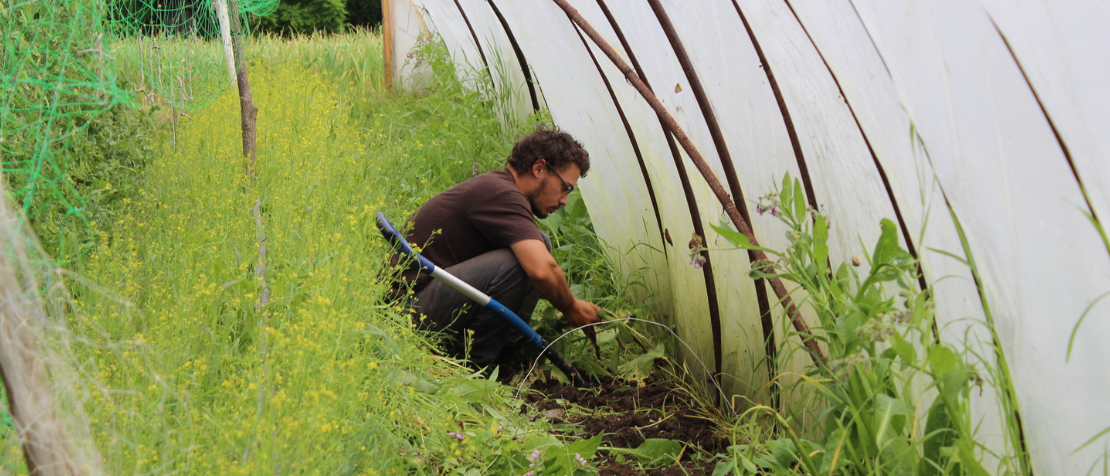
Transforming agriculture to combat climate change
-
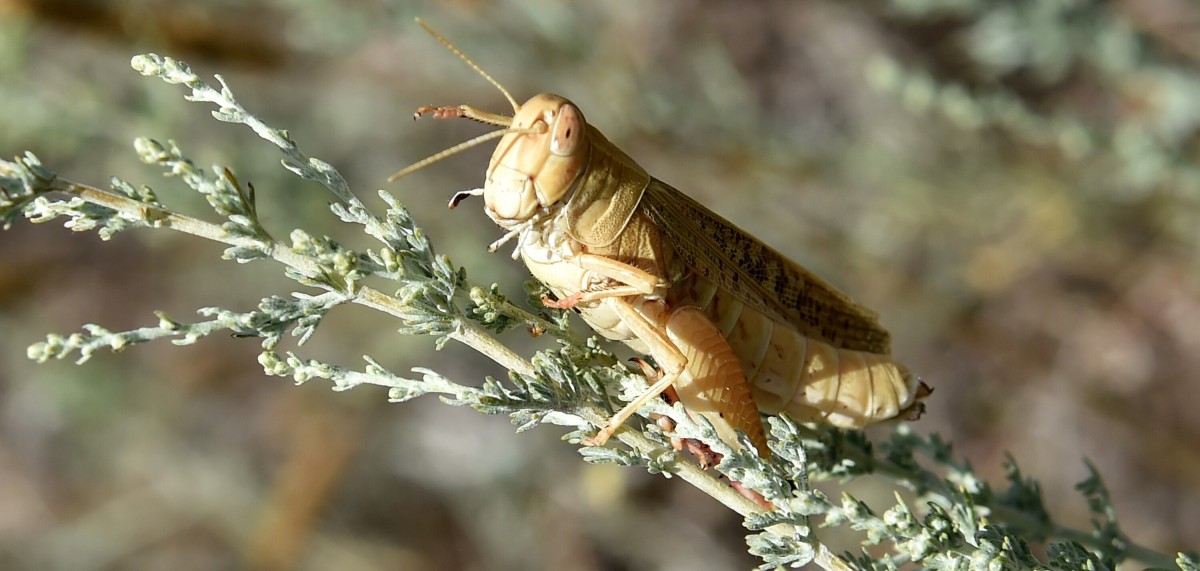
Caucasus and Central Asia experts discuss measures to sustainably combat locusts
-
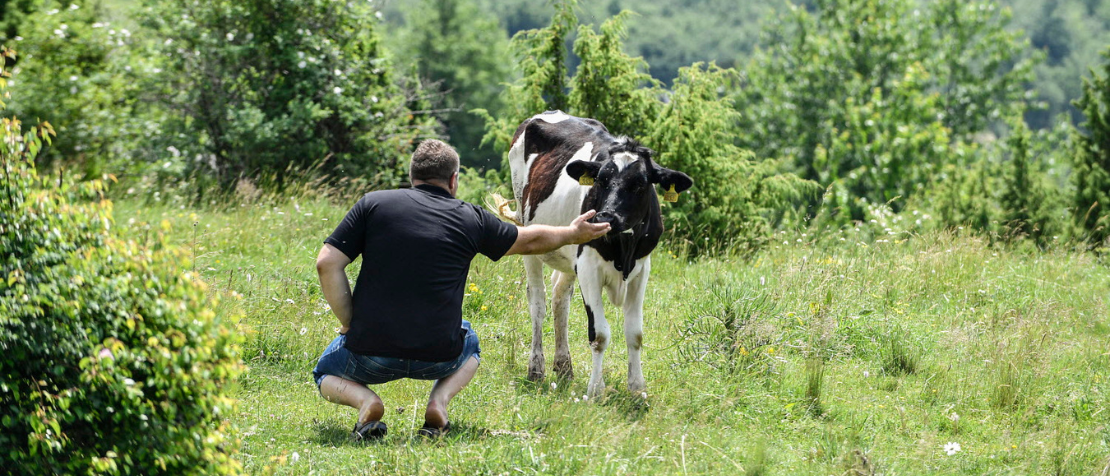
Dairy farmers in Montenegro take ownership of local development
-
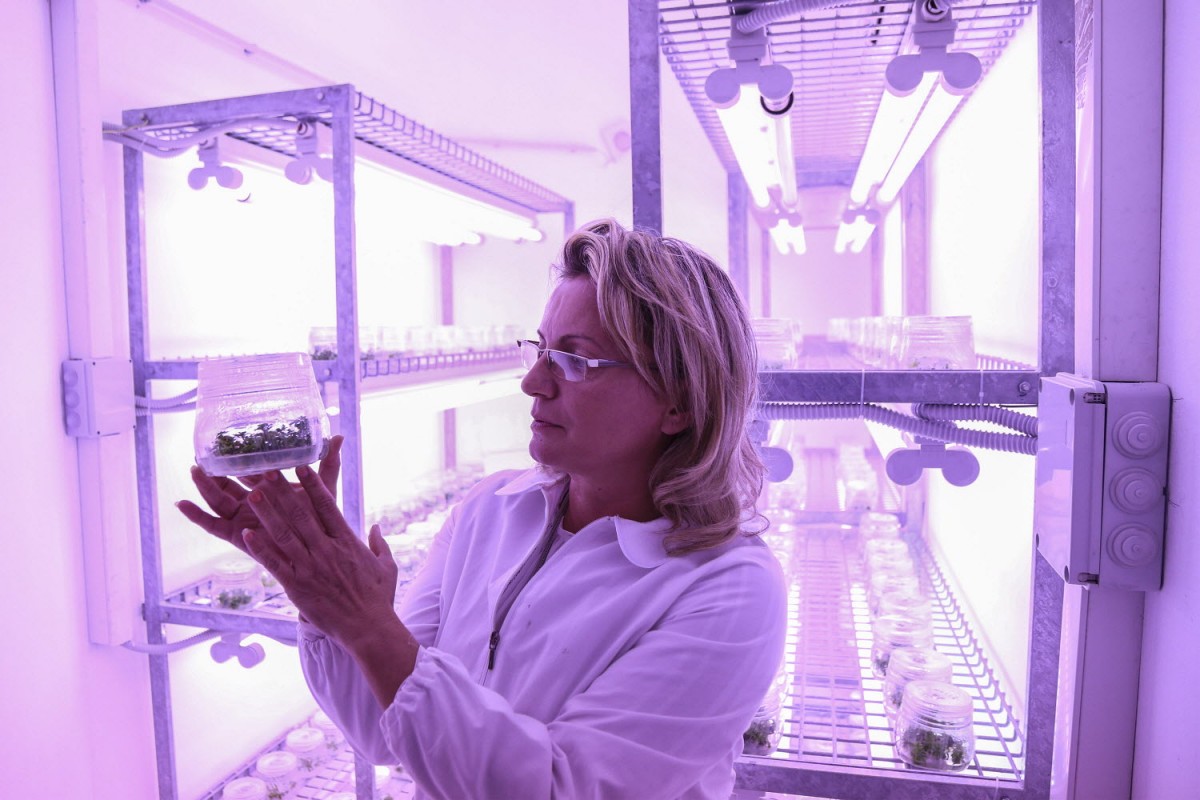
FAO Regional Office for Europe and Central Asia
-
Regional Technical Platform on Green Agriculture
-
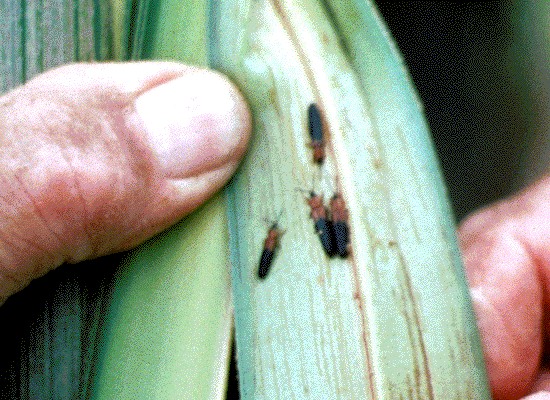
Application of Metarhizium anisopliae on controlling Brontispa longissima in Truong Sa islands of Vietnam
Application of Metarhizium anisopliae on controlling Brontispa longissima in Truong Sa islands of Vietnam
-
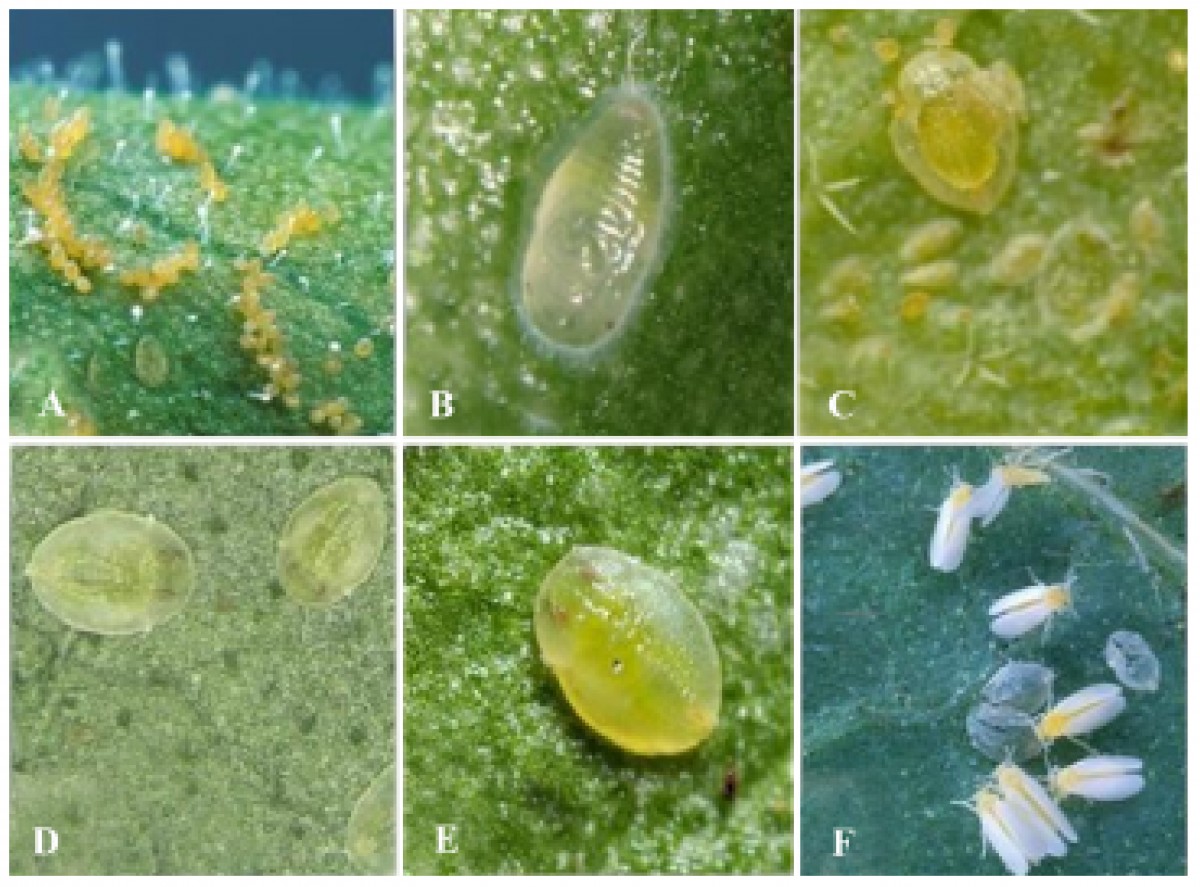
Identify the populatio dynamic of the whitefly Bemisia tabaci on cassava in Vietnam and efficay of some pesticides
-
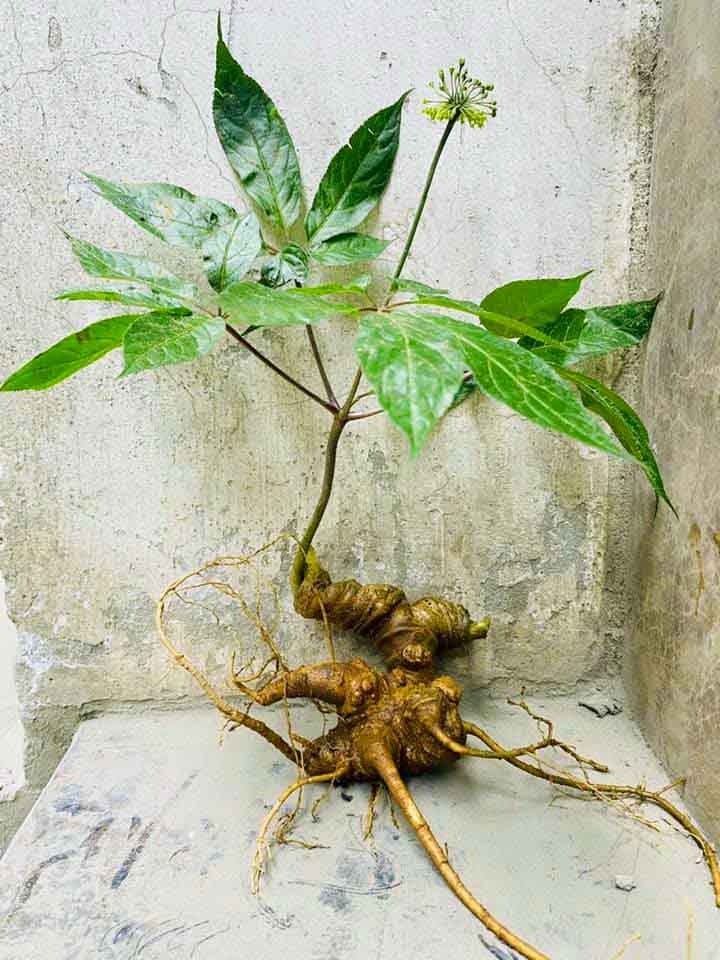
Characterization and the population dynamic of Neomyzus sp. on Panax vietnamensis in Quang Nam province, Vietnam
-
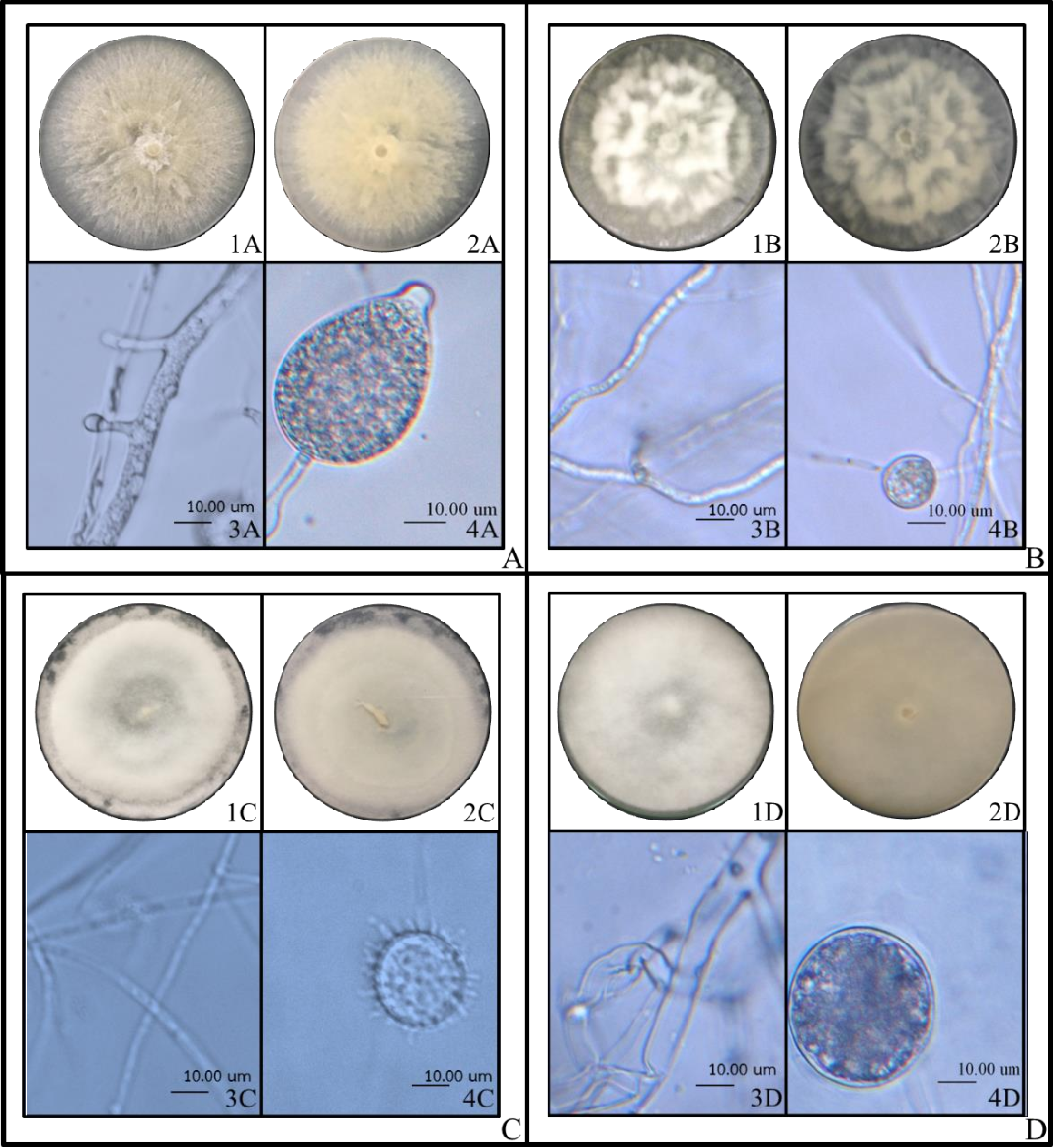
Identification and characterization of Phytophthora sp. on durian in Dak Lak and Tieng Giang provinces, Vietnam
-
» Identification BIOTYPE of Bemisia tabaci, a vector of mosaic virus on cassava in Vietnam
-
» List of projects in 2021
-
Organic agriculture still faces barriers
Organic agriculture production and consumption in Việt Nam is facing many challenges from modest size, output, and capital shortage to consumer doubt over quality and origin
-
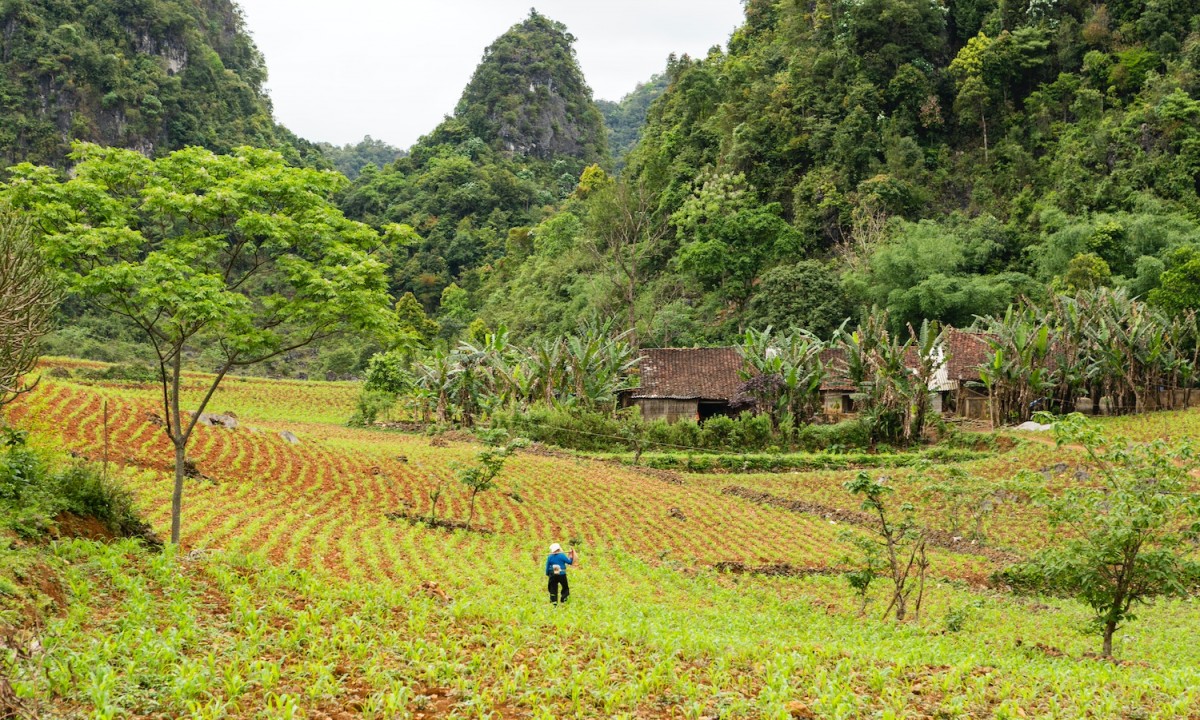
Why the World’s Food Systems Need to Transition Away from Industrial Agriculture